

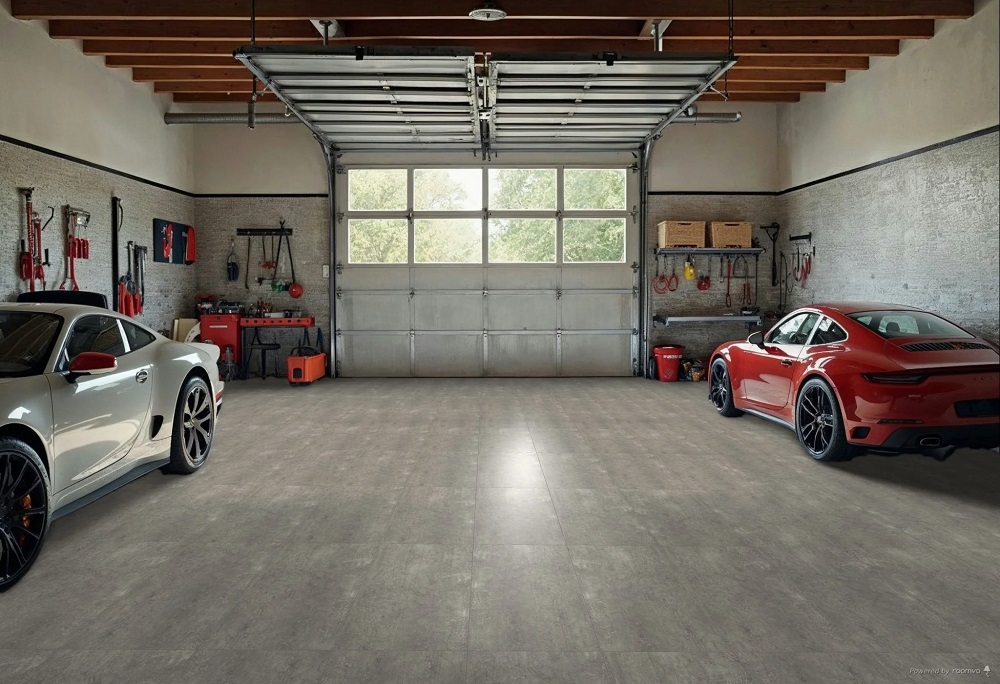
A garage that handles frequent vehicle movement, heavy equipment, storage loads, and workshop activity needs flooring that performs under pressure. Standard unfinished concrete often cracks, stains, and deteriorates over time. Choosing the right surface upgrade improves durability, safety, appearance, and long-term maintenance costs.
This guide explores the most reliable garage flooring options designed specifically for high-traffic and heavy-duty environments.
Why Heavy-Duty Garages Need Specialized Flooring
Garage floors exposed to constant weight and friction experience more stress than typical indoor flooring. Without reinforcement or coating, concrete can degrade quickly.
Common problems include:
- Surface cracking from repeated load pressure
- Oil and chemical staining
- Moisture penetration
- Dust formation from concrete erosion
- Reduced traction and safety risks
Durable flooring systems help protect the structural slab while extending usability for years.
Epoxy Floor Coatings
Epoxy coatings remain one of the most trusted flooring solutions for heavy garage usage. They form a thick protective layer over concrete that resists abrasion, chemicals, and moisture.
Key Advantages
- High compressive strength suitable for vehicle loads
- Resistance to oil spills, brake fluid, and solvents
- Smooth, dust-free surface
- Custom color and texture options
- Long service life with proper installation
Epoxy floors work especially well in garages used for mechanical repairs or frequent vehicle storage.
Best Use Cases
- Multi-vehicle garages
- Workshop environments
- Storage for heavy machinery
- Commercial-style residential garages
Polyaspartic Floor Coatings
Polyaspartic coatings are a modern alternative to epoxy and are known for their fast curing time and exceptional durability.
Key Advantages
- Rapid installation often completed within one day
- Superior UV resistance compared to epoxy
- Excellent resistance to abrasion and impacts
- Performs well in temperature fluctuations
- Long-lasting finish without yellowing
This option is ideal for garages exposed to sunlight or extreme climate conditions.
Best Use Cases
- High-traffic residential garages
- Outdoor-connected garages
- Commercial service garages
- Quick renovation projects
Interlocking Garage Floor Tiles
Interlocking tiles provide a modular flooring solution that is easy to install and replace. These tiles are commonly made from high-density PVC or polypropylene.
Key Advantages
- Strong load-bearing capacity
- Quick installation without adhesives
- Replaceable individual tiles if damaged
- Slip-resistant surface textures
- Available in multiple colors and patterns
They are especially useful in garages that need flexibility or future modifications.
Best Use Cases
- DIY garage upgrades
- Rental properties
- Temporary workshop setups
- Multi-purpose garages
Sealed and Polished Concrete Floors
Concrete sealing strengthens the existing slab while maintaining a clean industrial appearance. Penetrating sealers protect against moisture and staining.
Key Advantages
- Cost-effective durability upgrade
- Minimal maintenance requirements
- Improved resistance to chemical penetration
- Dust reduction from concrete surface
- Long lifespan with periodic resealing
Polished concrete also improves light reflection, enhancing workspace visibility.
Best Use Cases
- Budget-friendly heavy-duty garages
- Industrial-style interiors
- Tool storage areas
- Utility garages
Heavy-Duty Rubber Flooring Mats
Rubber flooring mats offer localized protection in areas exposed to concentrated impact or vibration.
Key Advantages
- Excellent shock absorption
- Protects concrete from cracks
- Reduces noise levels
- Comfortable underfoot for long work sessions
- Easy repositioning when needed
Rubber mats are often used alongside epoxy or concrete floors to reinforce specific zones.
Best Use Cases
- Workbench areas
- Tool stations
- Fitness corners inside garages
- Equipment storage zones
Factors to Consider Before Choosing Garage Flooring
Selecting the right flooring depends on how the garage is used daily.
Important considerations include:
- Vehicle weight and frequency of movement
- Exposure to chemicals or oil
- Climate conditions
- Installation time availability
- Budget range
- Maintenance expectations
Matching flooring type to usage ensures better performance and longevity.
Maintenance Tips for Long-Lasting Garage Floors
Even the strongest flooring systems benefit from routine care.
Recommended practices:
- Clean spills immediately
- Avoid dragging sharp metal objects
- Sweep regularly to prevent abrasive buildup
- Reseal coated surfaces when required
- Use protective mats under heavy equipment
Consistent maintenance helps preserve both appearance and structural integrity.
FAQ Section
Which garage flooring option lasts the longest under heavy vehicle use
Polyaspartic coatings and professionally installed epoxy systems typically provide the longest lifespan when subjected to regular vehicle movement and mechanical activity.
Can garage floor coatings handle hydraulic jack pressure
Yes. High-quality epoxy and polyaspartic coatings are designed to withstand point loads from jacks when properly installed over structurally sound concrete.
Are interlocking garage tiles strong enough for SUVs and trucks
Heavy-duty PVC interlocking tiles are engineered to support large vehicles and are widely used in residential and commercial garages.
How often should sealed concrete garage floors be resealed
Most sealed concrete surfaces require resealing every two to four years depending on usage intensity and exposure to chemicals.
Do garage floor coatings prevent moisture damage
Yes. Epoxy and polyaspartic coatings create a protective barrier that reduces moisture penetration and surface deterioration.
Is rubber flooring suitable for full garage coverage
Rubber flooring works best in targeted zones rather than full coverage unless industrial-grade rolls are installed.
What is the fastest garage flooring upgrade option
Polyaspartic coatings cure quickly and often allow same-day vehicle use after installation.
