

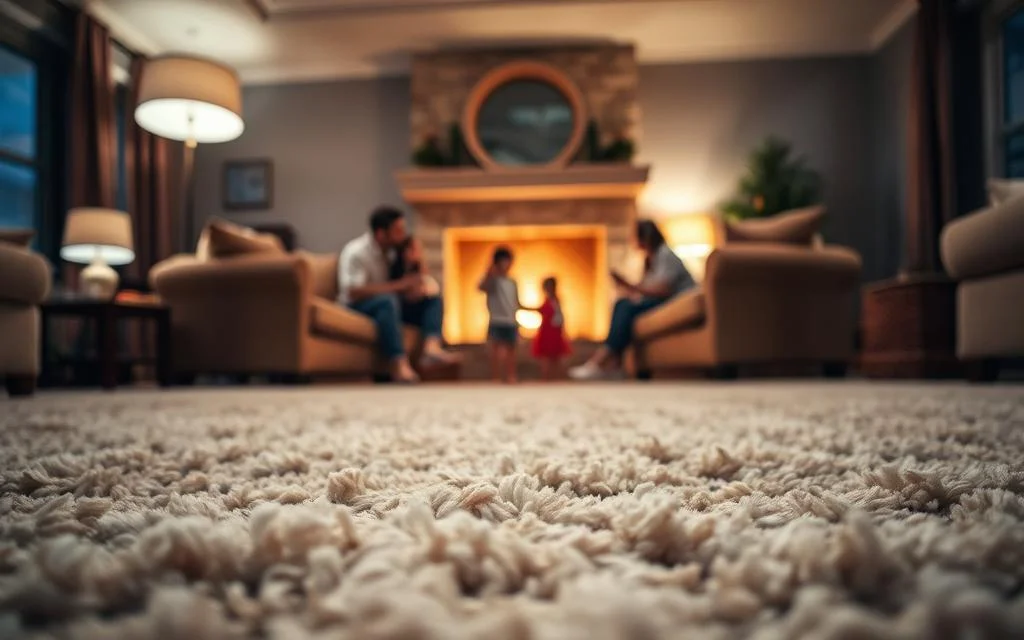
Creating a warm and inviting indoor space depends heavily on the flooring you choose. Carpet flooring remains one of the most effective ways to transform interiors into comfortable and relaxing environments. With its soft texture, insulation properties, and visual warmth, carpet flooring supports both functional comfort and aesthetic appeal across homes and workplaces.
Below is a detailed exploration of why carpet flooring continues to be a preferred solution for cozy indoor environments.
Natural Warmth and Comfort Underfoot
One of the most noticeable advantages of carpet flooring is the immediate sense of comfort it provides. Unlike hard surfaces, carpets create a soft and cushioned walking experience.
Key comfort benefits include:
- Reduced strain on joints while walking or standing
- A warmer surface during colder months
- A comfortable area for children to play safely
- A relaxed atmosphere ideal for bedrooms and lounges
This softness contributes directly to the perception of coziness, making interiors feel more welcoming and lived-in.
Improved Thermal Insulation for Indoor Spaces
Carpet flooring acts as a natural insulating layer that helps regulate indoor temperatures effectively. Fibers trap air pockets that reduce heat transfer, keeping rooms warmer during cooler seasons.
Practical insulation advantages:
- Maintains indoor warmth longer
- Helps reduce dependency on heating systems
- Supports energy efficiency in residential spaces
- Enhances comfort during winter mornings
Because of this insulation ability, carpet flooring works especially well in bedrooms, family rooms, and study areas.
Enhanced Sound Absorption and Quiet Living
Carpets significantly reduce noise levels inside homes by absorbing sound rather than reflecting it. This creates a calmer and more peaceful indoor environment.
Sound control benefits include:
- Reduction in footstep noise
- Lower echo levels in large rooms
- Improved privacy between floors
- Better acoustic comfort in shared living spaces
For apartments and multi-level homes, carpet flooring contributes greatly to maintaining quiet surroundings.
Increased Safety for Families and Elderly Residents
Carpet flooring improves indoor safety by offering better traction compared to hard surfaces. This reduces the chances of slipping and helps minimize injury risks.
Safety advantages include:
- Cushioning impact from accidental falls
- Providing grip while walking
- Supporting safer movement for children
- Assisting elderly individuals with stability
Because of these features, carpet flooring is often recommended for family-friendly environments.
Wide Range of Design Options for Interior Styling
Carpet flooring offers exceptional flexibility in interior decoration. Available in multiple textures, colors, and patterns, carpets allow homeowners to personalize spaces easily.
Design advantages include:
- Compatibility with modern and traditional interiors
- Availability of neutral and bold color palettes
- Variety of textures for visual depth
- Ability to define zones within open layouts
This versatility makes carpet flooring suitable for bedrooms, offices, hallways, and living rooms alike.
Improved Indoor Air Comfort Through Fiber Filtration
Contrary to common assumptions, properly maintained carpets can help improve indoor air comfort. Carpet fibers capture dust particles and prevent them from circulating continuously in the air.
Important air comfort benefits:
- Trapping airborne particles temporarily
- Supporting cleaner breathing zones
- Reducing visible dust movement indoors
- Helping maintain a tidy environment when vacuumed regularly
Routine cleaning ensures these benefits remain effective over time.
Energy Efficiency Support in Residential Spaces
Carpet flooring contributes indirectly to energy savings by preserving warmth inside rooms. When combined with proper insulation strategies, carpets help maintain stable indoor temperatures.
Energy-related advantages include:
- Reduced heat loss through flooring
- Improved heating efficiency
- Comfortable indoor temperature retention
- Support for sustainable living practices
This makes carpet flooring a practical addition to environmentally conscious homes.
Comfortable Surface for Relaxation and Everyday Living
Carpet flooring creates an inviting atmosphere that encourages relaxation. Whether sitting, reading, or spending time with family, carpeted spaces naturally feel more comfortable.
Lifestyle benefits include:
- Ideal flooring for bedrooms and lounges
- Comfortable play areas for children
- Support for meditation and reading corners
- Relaxing surfaces for informal seating arrangements
These qualities make carpet flooring central to creating cozy indoor environments.
Frequently Asked Questions
Is carpet flooring suitable for all rooms in a house
Carpet flooring works best in bedrooms, living rooms, and study areas where comfort is prioritized. It is generally less suitable for kitchens and bathrooms due to moisture exposure.
How long does carpet flooring typically last
With proper maintenance and regular cleaning, carpet flooring can last between eight to fifteen years depending on usage and material quality.
Does carpet flooring help reduce energy bills
Yes. Carpet fibers provide insulation that helps maintain indoor temperatures, which can reduce heating requirements during colder seasons.
What types of carpet materials are commonly used indoors
Common indoor carpet materials include nylon, polyester, wool, and polypropylene. Each offers different levels of durability and softness.
Is carpet flooring comfortable for children’s play areas
Carpet flooring is considered ideal for children because it provides cushioning and reduces injury risk during falls.
Can carpet flooring improve indoor sound quality
Yes. Carpet absorbs sound waves effectively, reducing echo and improving acoustic comfort inside homes.
How often should carpet flooring be cleaned
Vacuuming once or twice a week along with periodic deep cleaning helps maintain carpet appearance and performance over time
