

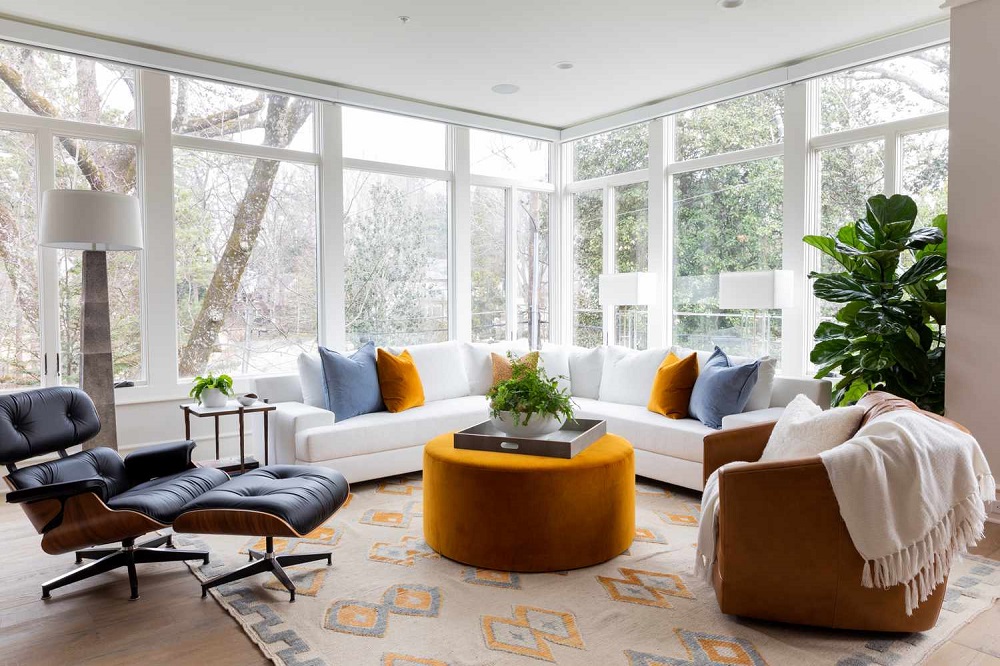
Minimalist decor is not about creating empty rooms. It is about designing intentional spaces where every object has purpose, harmony, and visual calm. A thoughtfully simplified environment reduces stress, improves functionality, and makes daily routines easier.
This guide explains practical minimalist decor strategies that help transform any home into a clean, organized, and visually balanced space without sacrificing comfort or personality.
Understanding the Core Principles of Minimalist Decor
Minimalism focuses on clarity rather than absence. It encourages thoughtful choices instead of accumulation.
Key principles include:
- Keeping only essential and meaningful items
- Prioritizing functionality
- Using neutral color palettes
- Maintaining visual balance
- Reducing visual noise
- Creating breathing space between objects
When applied consistently, these principles make rooms feel larger, brighter, and more peaceful.
Start With Decluttering Before Decorating
Minimalist decor begins with removing unnecessary items, not adding new ones.
Use a simple evaluation method:
- Keep items used regularly
- Remove duplicates
- Donate unused objects
- Store seasonal belongings separately
- Eliminate purely decorative clutter without meaning
Decluttering creates the foundation for a calm and organized aesthetic.
Choose a Neutral and Consistent Color Palette
Neutral tones help unify spaces and reduce visual distractions.
Effective minimalist color choices include:
- White
- Beige
- Soft gray
- Warm taupe
- Muted earth tones
Consistency matters more than variety. Using a limited palette across rooms creates flow and continuity throughout the home.
Add contrast sparingly through textures rather than strong colors.
Prioritize Functional Furniture
Furniture should support daily living while maintaining visual simplicity.
Look for pieces that:
- Serve multiple purposes
- Include hidden storage
- Maintain clean silhouettes
- Use natural materials
- Avoid heavy ornamentation
Examples include storage benches, floating desks, and streamlined shelving units.
Less furniture often results in better movement flow and improved room usability.
Embrace Open Space as a Design Element
Minimalist homes treat empty space as intentional design.
Avoid filling every corner. Instead:
- Leave walking paths clear
- Maintain gaps between furniture
- Limit wall decorations
- Keep surfaces partially open
Open space improves light distribution and enhances visual calm.
Use Smart Storage to Maintain Order
Hidden storage supports long-term organization without visual clutter.
Effective minimalist storage solutions include:
- Under-bed storage drawers
- Wall-mounted shelves
- Built-in cabinets
- Storage ottomans
- Vertical wardrobe organizers
Keep everyday essentials accessible while storing less-used items out of sight.
Decorate With Purpose Instead of Quantity
Minimalist decor does not eliminate decoration. It refines it.
Choose items that add meaning or texture, such as:
- A single framed artwork
- One sculptural vase
- A carefully placed indoor plant
- A textured rug
- A neutral throw blanket
Intentional placement makes each decorative element more impactful.
Focus on Natural Light and Airiness
Light enhances the minimalist atmosphere more than any decorative item.
Maximize natural light by:
- Using sheer curtains
- Keeping window areas clear
- Choosing reflective surfaces carefully
- Avoiding bulky window coverings
Bright spaces feel cleaner and more spacious instantly.
Maintain Clean Surfaces Daily
Minimalism works best when supported by simple habits.
Try these routines:
- Clear countertops every evening
- Return objects to assigned places
- Limit new purchases
- Store paperwork immediately
- Keep entryways uncluttered
Consistency keeps the space visually calm without requiring major effort later.
Introduce Texture for Warmth Without Clutter
Minimalist interiors should feel comfortable, not sterile.
Add warmth through:
- Linen fabrics
- Wooden accents
- Wool rugs
- Cotton upholstery
- Ceramic decor pieces
Layered textures maintain visual interest while preserving simplicity.
Keep Personal Identity Visible but Curated
Minimalism should reflect personality rather than erase it.
Display only meaningful items such as:
- Travel souvenirs with stories
- Books you revisit often
- Personal photographs in simple frames
- Handmade objects
Curated personalization keeps spaces authentic without overwhelming them.
Build Room-by-Room Minimalist Habits
Apply minimalist thinking gradually across the home.
Suggested approach:
Living room
Limit decorative objects and keep surfaces partially open
Bedroom
Reduce bedside clutter and simplify bedding choices
Kitchen
Store rarely used appliances inside cabinets
Workspace
Keep only essential tools on the desk
Entryway
Use compact storage for keys and footwear
Small consistent changes create lasting results.
Frequently Asked Questions
What is the first step toward creating a minimalist home?
Start by removing items you no longer use or need. Decluttering allows you to see the space clearly before making decor decisions.
Can minimalist decor work in small homes?
Yes. Minimalism is especially effective in smaller homes because it improves movement flow and maximizes available space.
Does minimalist design always require white interiors?
No. Neutral tones are common, but warm earth tones and soft muted shades also support minimalist aesthetics.
How do I keep minimalist spaces from looking empty?
Use texture, lighting, and a few meaningful decorative objects to create warmth while maintaining simplicity.
Is minimalist decor expensive to implement?
It can reduce spending because the focus shifts from buying more items to keeping fewer high-quality essentials.
How often should I declutter to maintain a minimalist space?
A brief weekly reset and a deeper seasonal review are usually enough to maintain organization.
Can minimalist decor include plants?
Yes. A few well-placed indoor plants enhance freshness and visual balance without adding clutter.
