

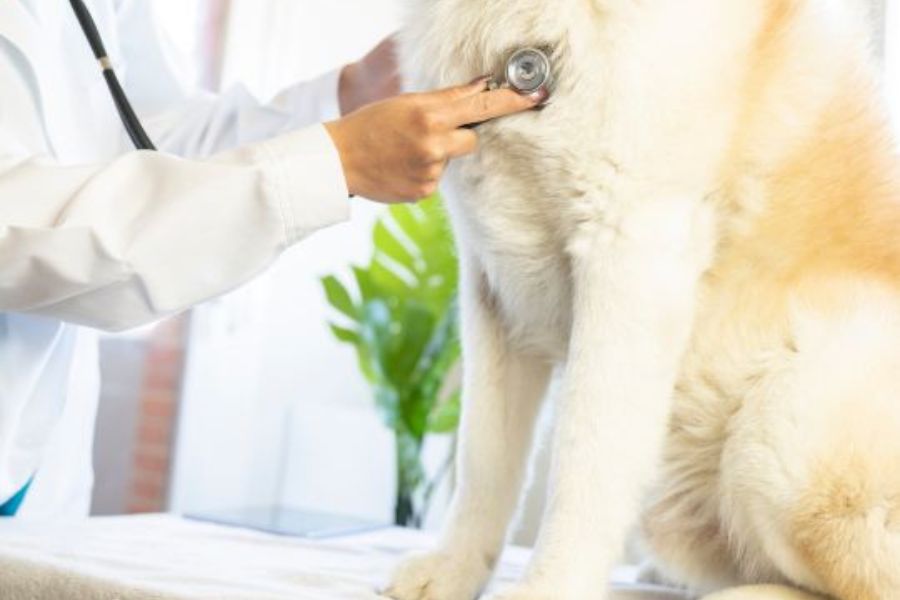
A healthy home routine does not only help people feel more organised. It also makes life easier for dogs. Dogs notice patterns quickly. They learn when the house wakes up, when food is served, when someone usually takes them outside, and when the family starts to slow down for the evening. When these daily habits are steady, dogs often become calmer, more confident, and easier to manage.
Many behaviour problems at home do not begin with bad behaviour. They begin with confusion, boredom, or a lack of structure. A dog that never knows when it will be walked, fed, trained, or left alone may start barking more, chewing household items, or demanding attention at the wrong time. A clear routine can reduce that stress for both the dog and the family.
Start the Morning With Movement
The first part of the day sets the tone. A short morning walk gives a dog the chance to stretch, sniff, and release energy before the house becomes busy. It does not need to be a long walk every day. Even 15 to 20 minutes can help, especially if the dog is allowed to explore smells instead of being rushed from one street to another.
For busy households, the morning walk can also become a simple health habit for the owner. It gets the body moving before work, helps clear the mind, and brings a little fresh air into the day. Dogs do not care whether the walk is perfect. They care that it happens regularly.
Keep Feeding Times Consistent
Feeding a dog at random times may seem harmless, but it can create unnecessary restlessness. Dogs are more settled when they know roughly when food is coming. A regular feeding schedule also helps owners notice changes in appetite, digestion, or energy.
It is also wise to avoid feeding too many scraps from the table. A small piece here and there can slowly become a habit that affects weight, digestion, and behaviour. Instead, owners can use suitable rewards during training or calm moments. For example, many owners prefer to keep proper Dog Treats separate from regular meals so rewards feel special without turning every family meal into begging time.
Add Short Training Moments Into the Day
Training does not need to feel like a formal class. In most homes, the best training happens in short daily moments. Asking a dog to sit before opening the door, wait before meals, or settle while the family eats dinner can teach useful manners without adding pressure.
Short sessions are often more effective than long ones. Five minutes of focused practice can be enough, especially when the dog is rewarded clearly and the owner stops before the dog loses interest. Over time, these little habits build better communication between the dog and the family.
Create Quiet Time, Not Just Play Time
Many owners focus on exercise but forget rest. A healthy dog routine includes quiet time. Dogs need to learn that not every moment at home is for play, attention, or food. A comfortable bed in a calm corner can help them switch off.
This is especially useful in homes with children, guests, or busy work schedules. When a dog has a known resting space, it becomes easier to manage excitement. The dog learns where to go when the house is active, and family members learn not to disturb the dog during rest.
Make Evenings Calm and Predictable
Evenings are often when bad habits appear. Owners are tired, children are active, dinner is being prepared, and the dog may want attention. A simple evening routine can prevent this from becoming stressful.
A short walk, light play, dinner, and a calm resting period can work well for many dogs. If the dog has had enough movement and mental stimulation earlier, evenings become easier. The goal is not to exhaust the dog. The goal is to help the dog understand when the home is active and when it is time to settle.
Keep the Routine Flexible but Reliable
A good routine should not feel strict. Life changes. Some days are busy, some days are slower, and some days the weather makes outdoor plans difficult. The key is to keep the main structure familiar. Dogs do well when they can depend on regular food, movement, attention, and rest.
A healthier routine at home is not about perfection. It is about small habits repeated often enough to make life smoother. When owners build those habits with patience, dogs usually respond with better behaviour, better confidence, and a happier presence in the home.
