

A modern home is not defined only by its size, layout, or furniture. Often, it is the smaller design details that make the biggest difference. These details may not always be noticed immediately, but they shape how a home feels, how comfortable it is to live in, and how well each space connects with the next.
From lighting and flooring to stair finishes, handles, trims, storage, and wall textures, small choices can turn a plain interior into a polished and well-planned home. When these elements work together, the entire property feels more complete, thoughtful, and enjoyable.
Why Small Details Matter in Home Design
Large design choices usually get the most attention. Homeowners often focus on kitchens, bathrooms, paint colours, flooring, and furniture first. These are important, but a home can still feel unfinished if the smaller details are ignored.
Small details create consistency. They help one room flow into another. They also give the home a sense of quality. For example, a simple hallway can feel more refined with the right lighting, clean skirting boards, well-chosen door handles, and a staircase that matches the home’s overall style.
These details also affect daily comfort. A well-placed handrail, a soft-close cabinet, a practical entryway shelf, or a better lighting layout can make everyday routines easier. Good design is not only about appearance. It is also about how the home works for the people living in it.
Lighting That Adds Warmth and Purpose
Lighting is one of the most powerful design details in any home. A room can look flat and uncomfortable with poor lighting, even if the furniture and finishes are beautiful.
Modern homes often benefit from layered lighting. This means using different types of lighting for different purposes. Ceiling lights provide general brightness, wall lights add atmosphere, pendant lights create focus, and lamps bring warmth to living areas.
Hallways, staircases, kitchens, and bathrooms need practical lighting, while bedrooms and lounges need softer options. Dimmers can also make a big difference because they allow the mood of a room to change throughout the day.
Lighting should also highlight architectural features. A textured wall, open shelving, artwork, or a staircase can become a stronger design feature when lit properly.
Staircases as a Central Design Feature
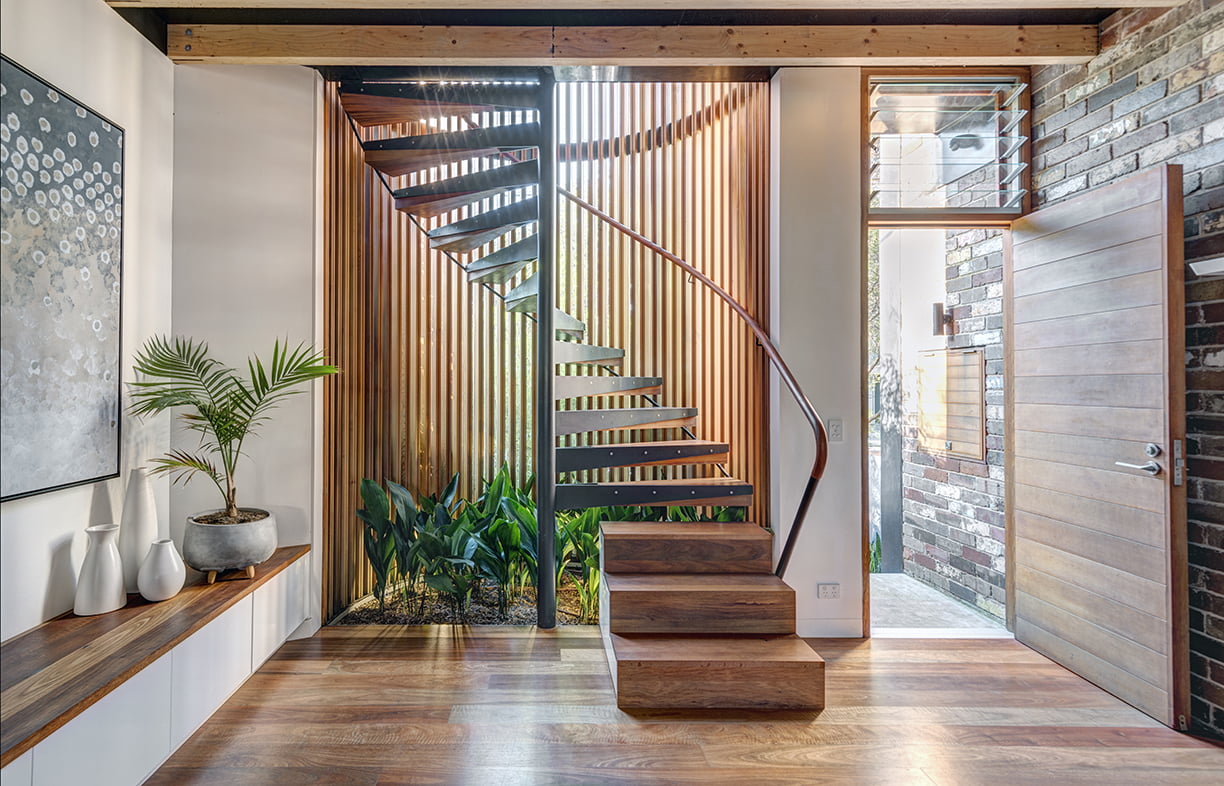
In multi-level homes, the staircase is more than a way to move between floors. It often sits in a visible part of the house and can strongly influence the overall look of the interior.
A plain or outdated staircase can make the home feel less finished, while a carefully designed one can add structure, style, and character. Materials, shape, railing style, timber tones, metal finishes, and surrounding walls all affect how the staircase blends with the rest of the space.
Homeowners who want a more refined interior often look at staircase specialists such as Aussie Stairs when planning how stairs can work as both a practical feature and a design element. The right staircase can help connect different levels of a home while also becoming a natural focal point.
Even small updates, such as improving treads, refreshing balustrades, or changing handrail finishes, can make a noticeable difference.
Door Handles, Cabinet Pulls, and Hardware
Hardware may seem minor, but it is used every day and seen throughout the home. Door handles, cabinet pulls, drawer knobs, hinges, towel rails, and tapware all contribute to the overall style.
Mismatched or outdated hardware can make a space feel less polished. On the other hand, consistent finishes can bring the home together. Matte black, brushed nickel, brass, chrome, and timber details all create different effects.
The key is not to overdo it. Hardware should match the style of the home without becoming distracting. A modern home with clean lines may suit simple handles, while a warmer interior may benefit from softer metal tones or timber accents.
Hardware is also one of the easier design details to update. Replacing cabinet handles or door hardware can refresh a space without a major renovation.
Skirting Boards, Trims, and Cornices
Skirting boards, trims, and cornices often go unnoticed when they are done well. But when they are damaged, outdated, or inconsistent, they can make a room feel unfinished.
Clean trim work creates neat transitions between walls, floors, doors, and ceilings. It helps define the space and adds a sense of craftsmanship. In modern homes, many people prefer simple, slim profiles. In more traditional homes, decorative trims can add character.
The right choice depends on the property style. A minimalist home may look better with square-set ceilings and simple skirting, while a classic home may suit more detailed profiles.
Painting trims in the same colour as the walls can create a seamless look. Using contrast can make them stand out more. Both options can work if they are used intentionally.
Flooring Transitions That Feel Smooth
Flooring has a major impact on how a home feels, but transitions between flooring materials are just as important. Poor transitions can make the home feel broken up or awkward.
For example, where timber meets tile, carpet meets hallway flooring, or stairs meet landing areas, the finish should look clean and intentional. Transition strips, edge details, and floor levels should be planned carefully.
Smooth transitions help the home feel connected. This is especially important in open-plan spaces where the eye moves across large areas. If every room has a completely different floor finish, the home may feel busy. If the materials are chosen carefully, each area can still have its own function while feeling part of the same design.
Wall Texture and Feature Surfaces
Plain painted walls can look clean and modern, but some areas benefit from extra texture. Timber panelling, stone, wallpaper, microcement, tiles, or textured paint can add depth to a space.
Feature surfaces work best when used with restraint. A single textured wall in an entryway, bedroom, dining area, or stairwell can add interest without overwhelming the home.
Stairwells are often overlooked, but they can be a great place for texture or artwork. Because they connect different levels, they offer a natural opportunity to create visual flow.
The goal is to add character without creating clutter. One strong feature usually works better than several competing surfaces.
Built-In Storage That Blends In
Storage is one of the most practical design details in a modern home. Good storage keeps daily life organised, but it should also fit naturally into the design.
Built-in cupboards, under-stair storage, entryway cabinets, floating shelves, and custom joinery can make a home feel cleaner and more functional. When storage is planned well, everyday items have a place, and rooms stay easier to maintain.
The best storage does not always call attention to itself. It blends with the walls, matches the finishes, and supports the way the household actually lives.
Under-stair areas are especially useful. They can become storage cupboards, display shelves, reading nooks, small work areas, or hidden utility zones, depending on the layout.
Consistent Materials and Finishes
A home feels more complete when materials and finishes are consistent. This does not mean everything must match perfectly. In fact, too much matching can feel flat. But there should be a clear relationship between finishes.
For example, timber tones should work together. Metal finishes should not feel random. Stone, tile, paint, and fabric choices should feel balanced.
A useful approach is to choose a main material palette and repeat it in different ways throughout the home. Timber on stairs may connect with flooring, shelving, or furniture. Black metal details may appear in lighting, handles, and railings. Soft neutral walls may allow stronger textures to stand out.
Consistency helps the home feel intentional rather than pieced together.
Entryways and First Impressions
The entryway sets the tone for the rest of the home. It does not need to be large, but it should feel considered. A good entry may include practical storage, a mirror, a small bench, hooks, lighting, plants, or artwork.
This area should also manage daily clutter. Shoes, bags, keys, mail, and umbrellas can quickly make the entrance feel messy if there is no system.
Small updates can make a big impact here. A better light fitting, a slim console, a wall-mounted shelf, or a neat storage basket can make the entrance feel more welcoming.
A Complete Home Feels Thoughtful
A modern home feels complete when the small details support the bigger design. Lighting, stairs, trims, hardware, storage, flooring transitions, and textures all work together to create a space that feels polished and practical.
These details do not always need to be expensive or dramatic. Sometimes, the most effective changes are simple improvements that make the home easier to use and nicer to look at.
When homeowners pay attention to the smaller elements, the result is a home that feels more connected, more comfortable, and more finished in everyday life.
